Introduction: Can Virtual Reality Really Help With Anxiety?
In a world where anxiety and stress seem to be a part of daily life, it’s no surprise that people are turning to new and innovative solutions for relief. Enter virtual reality (VR) therapy. It sounds like something out of a sci-fi movie, right? A headset, a few calming virtual landscapes, and *poof*, your worries vanish. While it may not be quite that simple, VR therapy is quickly gaining traction as a powerful tool to manage mental health, particularly anxiety and stress. But how does it actually work? And is it more than just a trendy gimmick?
The Rise of VR Therapy: A New Frontier in Mental Health
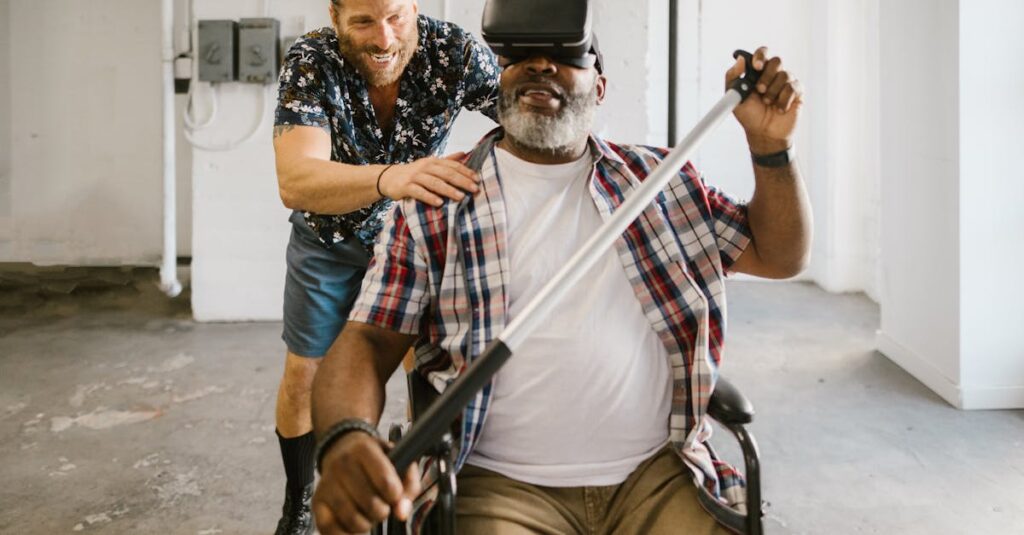
VR therapy isn’t just a buzzword. It’s a rapidly growing field in the mental health industry, backed by research and early success stories. The idea is straightforward: immerse a person in a controlled, virtual environment where they can confront their anxiety triggers, learn coping mechanisms, or simply relax in a calming virtual world. Imagine sitting on a beach, hearing the waves crash, and feeling your stress slowly melt away, or even walking through a forest, with a guided voice helping you relax along the way.
For people suffering from conditions like generalized anxiety, social anxiety, PTSD, or panic attacks, VR offers a way to experience therapeutic techniques without the need for traditional settings. It’s like getting the benefits of exposure therapy, mindfulness, and cognitive behavioral therapy (CBT), all from the comfort of your own home (or therapist’s office). But how does it actually make a difference in the treatment of anxiety and stress?
How Does VR Therapy Work for Anxiety and Stress?
At its core, VR therapy taps into the brain’s natural responses to immersive environments. When you’re fully immersed in a VR setting, your brain can’t always distinguish between the virtual world and the real world. This can be a powerful tool for those with anxiety because it allows them to face their fears in a safe and controlled way.
Take, for example, someone with social anxiety. Instead of jumping into a crowded room or attending a large event, VR therapy allows them to experience a virtual social scenario. The VR environment can simulate a party, a job interview, or even a casual coffee shop conversation. Over time, by repeatedly facing these simulated situations, the person’s anxiety response diminishes. This is similar to a well-established therapeutic technique called exposure therapy.
1. Exposure Therapy in VR
Exposure therapy, one of the most effective treatments for anxiety disorders, involves gradually exposing the person to the source of their fear. Traditionally, this process might involve confronting real-world situations, which can be overwhelming or intimidating. In VR therapy, however, exposure can be tailored to an individual’s pace. If a person feels anxious about speaking in public, for instance, VR can simulate an audience of various sizes, helping them build confidence before stepping into a real-world situation.
2. Relaxation Techniques and Mindfulness in VR
Aside from facing anxiety triggers, VR therapy can also be a tool for pure relaxation. Virtual environments can be designed to help individuals practice mindfulness or deep-breathing exercises in a calming space. Picture this: you’re sitting on a beach, watching the sunset, with a calming voice guiding you through a meditation. As you follow the instructions, your body and mind slowly begin to relax. It’s hard to think of a better way to take a mental break.
3. Biofeedback and Stress Reduction
VR therapy can also be enhanced by incorporating biofeedback techniques, which monitor a person’s physical responses (such as heart rate, skin temperature, or breathing patterns). By using VR simulations that include biofeedback, individuals can see real-time data on how their body reacts to stress, and then practice calming techniques to lower those physiological responses. This combination of mind-body connection is often used in stress reduction programs and can help improve overall resilience to anxiety.
Real-Life Examples: VR Therapy in Action
While VR therapy might sound futuristic, it’s already being used in clinical settings and by people seeking alternatives to traditional therapy. Take Sarah, for example. A 34-year-old woman who struggled with social anxiety for years, Sarah found it nearly impossible to attend social gatherings. Even the thought of a casual dinner party would send her into a spiral of worry. Then, she tried VR therapy.
In her sessions, Sarah was guided through a series of virtual social situations, beginning with small, relaxed gatherings and slowly progressing to more complex interactions. At first, the experience was uncomfortable, but over time, Sarah noticed a reduction in her anxiety. After several weeks, she was able to attend a real dinner party without feeling overwhelmed. “It wasn’t perfect,” Sarah admits, “but VR gave me a safe space to practice before facing the real thing.”
Another example is Mark, a veteran dealing with PTSD. Mark’s therapy involved exposure to simulated environments where he could process traumatic memories in a controlled setting. Through VR, he was able to face his trauma in ways that traditional talk therapy hadn’t allowed. “It’s like being able to confront the past without being re-traumatized,” he shares. Mark’s experience reflects the growing evidence that VR can be a powerful tool for those suffering from severe anxiety and trauma.
What Are the Benefits and Drawbacks of VR Therapy?
While VR therapy holds great promise, it’s not without its limitations. Understanding both the benefits and drawbacks can help you determine if this form of therapy is right for you.
Benefits of VR Therapy
- Immersive Experience: VR provides an immersive experience that makes it easier to address anxiety triggers in a controlled environment.
- Accessible: VR therapy can be done from home, making it a convenient option for those unable to attend in-person therapy sessions.
- Customizable: VR therapy can be tailored to individual needs, allowing users to progress at their own pace.
- Reduced Stigma: Some individuals find VR therapy less intimidating than traditional therapy, which can reduce the stigma around mental health care.
Drawbacks of VR Therapy
- Technology Issues: VR setups can be expensive, and not everyone has access to the necessary equipment.
- Potential Overreliance: While VR can be a helpful tool, it should not replace traditional therapy but rather complement it.
- Not for Everyone: VR therapy may not be effective for everyone, and some individuals may experience discomfort or dizziness while using VR.
Conclusion: Is VR Therapy the Future of Anxiety Treatment?
In a world where stress and anxiety are all too common, VR therapy offers an innovative way to manage these feelings. Whether it’s through exposure to anxiety-inducing situations or simply providing a calming virtual retreat, VR therapy provides an engaging and effective solution for many individuals.
However, as with any treatment, it’s not a one-size-fits-all solution. For those who have access to the technology and are open to trying something new, VR therapy could offer meaningful relief. It’s not a quick fix, but with continued research and development, it might just become a standard tool in mental health care.
If you’re feeling overwhelmed by stress or anxiety, consider exploring VR therapy as an option. It could be the innovative tool you need to take the first step toward managing your mental health.