
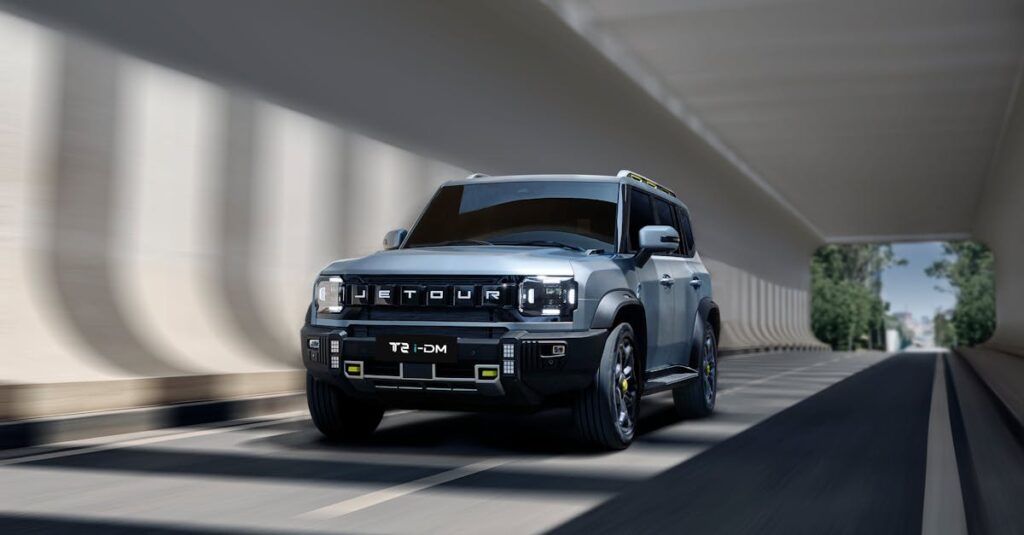
The Future of Electric Cars in 2025: What’s Next for the Industry
It’s no secret that electric cars (EVs) are reshaping the way we think about transportation. From Tesla’s groundbreaking innovations to the rise of new brands like Rivian and Lucid, the electric vehicle revolution is well underway. But what does the future hold for EVs by 2025? Will electric cars become the norm, or are they still a niche market?
As we approach this pivotal year, let’s take a look at some of the key developments and trends shaping the future of electric cars.
1. EV Prices Will Drop – But Will It Be Enough?
One of the biggest barriers to widespread EV adoption has always been cost. Even though electric cars are becoming more affordable, they still tend to carry a premium price tag. But here’s the good news: by 2025, we can expect to see prices continue to fall, thanks to advancements in battery technology and economies of scale.
For example, Tesla’s new battery technology promises to cut down on the cost of manufacturing, which could eventually lead to lower prices for consumers. In addition, traditional automakers like Ford and Volkswagen are investing heavily in EV production, which means we’ll likely see more affordable options hitting the market.
But will these lower prices be enough to get more drivers to switch from gas to electric? Probably not immediately. While cost is a factor, range anxiety, charging infrastructure, and consumer habits will continue to play a significant role in the adoption rate.
2. Charging Infrastructure Will Be a Game-Changer
One of the most talked-about issues in the electric car space is the lack of a robust charging infrastructure. In many areas, finding a charging station can feel like searching for a needle in a haystack. That’s why many experts agree that a major push to expand the network of charging stations will be a crucial factor in determining the success of EVs in the near future.
By 2025, we’re likely to see a more widespread rollout of fast-charging stations. Major automakers and tech companies alike are pouring money into building out this network. Companies like Tesla have already created their own supercharger networks, and others, like ChargePoint and Electrify America, are expanding rapidly.
The U.S. government has also made strides in supporting EV adoption through initiatives like the Infrastructure Investment and Jobs Act, which includes funding for building out more charging stations. This will mean less waiting around for a charge and more confidence for drivers to make longer trips without the fear of running out of battery.
3. Range Anxiety Will Become a Thing of the Past
Another hurdle that many drivers face when considering the switch to an electric car is the fear of running out of battery before they can recharge. But thanks to advancements in battery technology, range anxiety is expected to become a thing of the past by 2025.
Modern EVs already have impressive ranges, with some models like the Tesla Model S offering over 370 miles on a single charge. By 2025, we can expect even more options that offer longer ranges. As battery technology improves, range will no longer be a major concern for potential EV buyers.
Moreover, the increased availability of fast-charging stations will make it easier than ever to top off your battery during longer trips. Drivers will no longer have to worry about finding a charging station in the middle of nowhere.
4. More Affordable and Accessible EVs
The future of electric cars isn’t just about the luxury models you see on the road today. By 2025, we can expect to see more affordable options that appeal to a wider range of consumers.
Automakers like Ford, Chevrolet, and Hyundai are already offering budget-friendly EVs, and more are on the way. The Ford Mustang Mach-E, for instance, offers a sleek design with impressive performance and a starting price under $40,000, far less than some of the luxury EV options available.
Additionally, the continued rise of electric SUVs, trucks, and crossovers will make EVs even more accessible to a broader audience. Many consumers are holding out for electric versions of their favorite trucks, and automakers are listening. The Rivian R1T, an electric truck, and the upcoming all-electric Ford F-150 Lightning are two examples of how electric vehicles are going to become mainstream, even for those who need power and versatility.
5. Autonomous Driving Will Become More Common
While fully autonomous cars are still a few years away, by 2025, we could see electric cars with more advanced autonomous driving capabilities. Tesla’s Autopilot and Full Self-Driving (FSD) systems are already in use, and other automakers like GM and Waymo are making strides in the development of self-driving technology.
As electric vehicles become more common, the technology required for autonomous driving will become more integrated. We’ll likely see vehicles with increased levels of automation, think adaptive cruise control, lane-keeping assist, and even hands-free driving in certain conditions, becoming standard in most EVs.
This could make EVs even more appealing for consumers who want the convenience of self-driving cars while benefiting from the environmental advantages of electric propulsion.
6. The Environmental Impact Will Be More Significant
Perhaps one of the biggest reasons why the future of electric cars is so exciting is the environmental impact. As more people switch to EVs, we’ll see a significant decrease in carbon emissions from the transportation sector, which is a major contributor to global warming.
In 2025, as more countries adopt stricter emissions standards and incentivize the use of clean energy, we’ll see a shift toward cleaner sources of energy to charge our electric cars. Many regions are already ramping up their investments in renewable energy, which will further enhance the environmental benefits of driving electric.
Additionally, as EVs continue to gain popularity, the recycling of EV batteries will become a critical part of the sustainability equation. By 2025, expect to see more initiatives aimed at making battery production and disposal more eco-friendly.
Conclusion: A Future Full of Potential
The future of electric cars in 2025 is promising, with advances in technology, affordability, and infrastructure that will likely make EVs more accessible and practical for everyday consumers. However, we’re still not quite there yet. The next few years will be crucial in overcoming barriers like cost, charging infrastructure, and consumer habits.
For now, it’s clear that electric cars are no longer a passing trend, they’re here to stay. Whether you’re already driving an EV or considering the switch, it’s exciting to think about what the future holds. From longer ranges and lower prices to faster charging and self-driving capabilities, the electric car revolution is just getting started. So, buckle up, it’s going to be a wild, electric ride.