
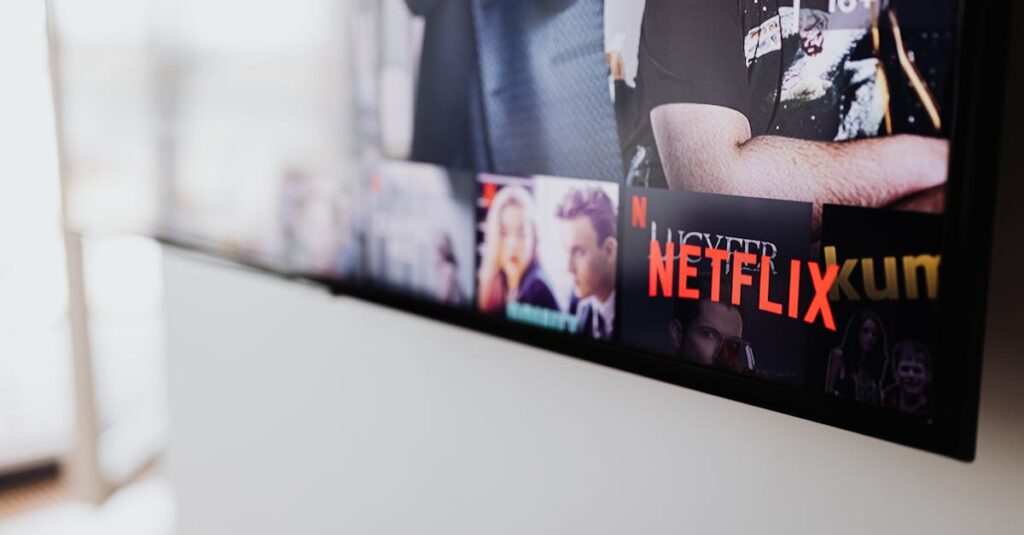
The Streaming Revolution: What’s Next After Netflix?
For years, Netflix has been the king of streaming. With its vast library of movies, TV shows, and original content, it’s hard to imagine a time when it wasn’t the go-to service for entertainment. But like every industry leader, Netflix faces challenges from rising competition, shifting audience preferences, and the increasing costs of content creation. The question on everyone’s mind is: what comes after Netflix? What will the future of streaming look like as we move beyond the platform that changed the way we watch television?
The Changing Streaming Landscape
When Netflix first hit the scene, it felt revolutionary. It gave us access to entire seasons of TV shows at once, eliminated the need for cable subscriptions, and made it easy to binge-watch our favorite content on demand. But now, a decade later, we’re seeing new trends emerge that suggest Netflix’s dominance might not last forever.
Streaming is still growing, but the number of platforms is also multiplying. Hulu, Disney+, Amazon Prime Video, Apple TV+, and HBO Max have all entered the scene, offering content at varying price points, creating subscription fatigue for viewers who can no longer afford to subscribe to every service. The days of one all-powerful platform ruling the streaming world are coming to an end. So, where are we headed?
1. More Niche Streaming Services
As Netflix faces competition from major players like Disney+ and Amazon Prime, we’re seeing a trend toward niche streaming platforms. While Netflix tried to cater to everyone, many new streaming services are doubling down on specific genres or interests. For example, services like Shudder focus on horror content, while Crunchyroll is perfect for anime lovers.
This shift toward specialized streaming is great news for fans of specific genres. If you’re someone who loves true crime, you might subscribe to Discovery+ or Peacock for exclusive content. It’s a model that allows platforms to tailor their offerings and build loyal fanbases rather than competing for the broadest appeal.
As niche streaming services grow in popularity, we may see more platforms emerge, each catering to very specific groups, whether that’s horror fans, sports enthusiasts, or those who only want documentaries. It’s all about creating content for passionate audiences, not trying to please everyone at once.
2. The Era of Ad-Supported Streaming
Subscription fees continue to rise, which could lead more people to look for cheaper alternatives. Enter ad-supported streaming. Many platforms, including Netflix itself, are starting to experiment with ad-supported subscription tiers as a way to offer lower-cost options for viewers.
This trend is a response to the increasing price of subscription services and the growing frustration over expensive streaming bundles. In fact, in 2022, Netflix launched a lower-priced plan that includes ads, allowing more budget-conscious viewers to access content without breaking the bank.
Other platforms like Disney+ and Hulu have already embraced ad-supported models. As more consumers are willing to watch a few ads in exchange for a lower subscription fee, expect to see more of this hybrid model becoming the norm. It’s a win-win for both consumers and streaming services: subscribers save money, and platforms generate revenue from advertisers.
3. The Power of Live Streaming and Sports
One thing Netflix has never really touched on is live sports. But that’s changing. Amazon Prime Video has already ventured into live sports, streaming NFL Thursday Night Football games. Apple TV+ has also secured some major live sports deals, including exclusive rights to Major League Soccer.
In the future, more platforms may look to live streaming as a way to drive subscriptions and increase viewer engagement. Live sports are a massive draw for audiences, and as cable TV continues to lose ground, platforms offering exclusive sports content could become the next big thing in streaming. Think about it: the last time the World Cup aired, millions of people tuned in to see their favorite teams compete. Streaming platforms that can offer exclusive access to live sports, whether it’s football, basketball, or tennis, are going to be in high demand.
4. Interactive Content and New Formats
We’ve already seen Netflix experiment with interactive content, like their hit interactive movie Bandersnatch from the *Black Mirror* series. The idea of viewers controlling the narrative of a show or movie is not just a gimmick; it’s a glimpse into the future of storytelling. As technology evolves, streaming platforms will continue to experiment with new forms of content, blending traditional formats with new interactive experiences.
Beyond interactive films, virtual reality (VR) and augmented reality (AR) could soon make their way into the mainstream streaming world. Imagine watching a live concert in 360-degree VR or experiencing a documentary in an immersive, interactive format. These new technologies could bring streaming into uncharted territory, opening up fresh ways for people to experience content.
5. The Rise of AI in Content Creation
AI is already transforming many industries, and streaming services are no exception. AI is being used to personalize recommendations, automate video editing, and even help generate content. In the near future, we may see AI-assisted tools that allow creators to produce shows, movies, or even entire seasons more efficiently. This could reduce the costs associated with high-quality production and make content creation more accessible to smaller creators or niche platforms.
AI could also change how we consume content. Imagine a platform that customizes content specifically for you, based on your preferences, your past watching habits, and even your current mood. The possibilities for AI-powered streaming are endless, and we’re just beginning to scratch the surface of what this technology can do.
Conclusion: The Streaming Landscape is Just Beginning to Evolve
The future of streaming is anything but predictable. While Netflix may have been the first giant, it’s clear that it will have to adapt to survive in a world of specialized, ad-supported, and live content-driven platforms. Niche services will continue to rise, creating more tailored experiences for viewers who want specific genres or interests. The blending of interactive, immersive technologies with AI-driven content personalization is going to further change how we consume entertainment.
For now, one thing is certain: the streaming landscape is still in its infancy. Netflix might be the giant today, but who knows what tomorrow will bring. Will we see new disruptors emerge, or will Netflix adapt and reclaim its throne? The only thing we know for sure is that the future of streaming will be far more diverse and exciting than ever before.