
Introduction: What’s Next for Gaming & Esports?
The world of gaming and esports is constantly evolving. Each year, new trends emerge, reshaping how we play, watch, and engage with our favorite titles. Whether you’re a die-hard fan of competitive esports or someone who casually enjoys gaming on weekends, 2026 is shaping up to be an exciting year for both industries. From the rise of AI-driven gameplay to the growing influence of mobile gaming, there are plenty of trends worth keeping an eye on this year.
1. The Mobile Gaming Boom Continues
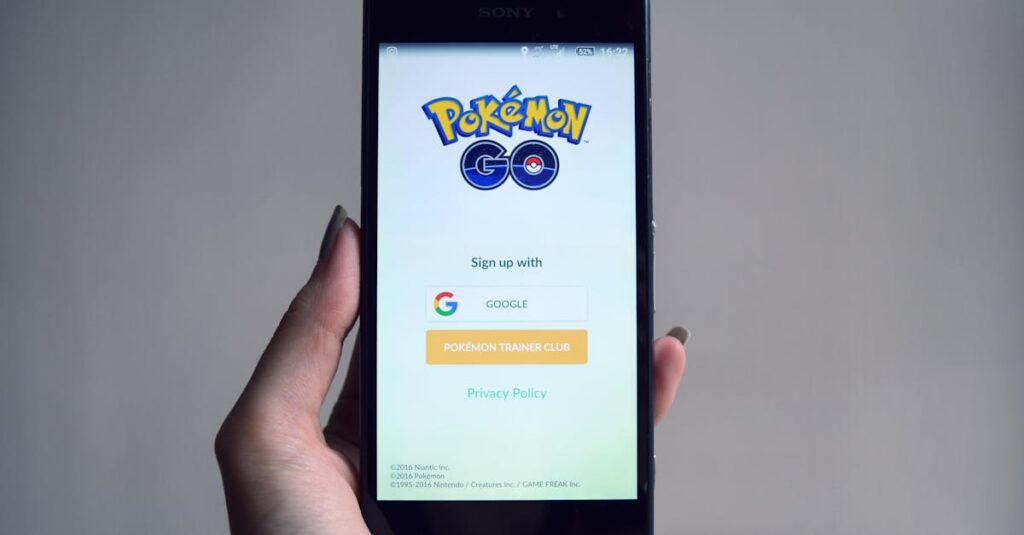
If you thought mobile gaming was a passing trend, think again. In 2026, mobile gaming is only getting bigger, and its reach is expanding far beyond simple puzzles and casual games. With the rise of 5G, improved mobile processors, and dedicated gaming phones, mobile platforms are now capable of running titles that were once exclusive to consoles or PCs. Games like Genshin Impact and Call of Duty: Mobile are proving that AAA experiences are possible on the go.
But it’s not just about the technology, mobile esports is quickly gaining traction, especially in regions like Southeast Asia and Latin America, where mobile devices are more accessible than high-end PCs. Tournaments like the Mobile Legends: Bang Bang World Championship are drawing huge crowds, and the growth shows no signs of slowing down. This year, expect even more major esports organizations to establish mobile teams and tournaments.
2. AI and Machine Learning Changing the Game
Artificial Intelligence (AI) is revolutionizing more than just how games are developed. In 2026, it’s also changing how games are played. AI-driven opponents, smarter NPCs (non-playable characters), and personalized gaming experiences are becoming the new norm. Imagine a game that adapts to your playing style, challenging you in ways that feel fresh every time you play.
Game developers are already experimenting with AI to create more dynamic worlds and experiences. OpenAI’s Dota 2 bot, which managed to defeat human players, is just the beginning. Soon, games will be able to provide a highly personalized experience, adjusting difficulty based on how well you’re performing or even tailoring the narrative to your choices. Think of it like playing against an opponent who gets better the more you play, or a storyline that shifts in real-time based on your decisions.
For esports, AI could also have a big impact. Coaches are already using AI to analyze player performance, helping teams fine-tune their strategies. It’s not hard to imagine a future where AI assists with in-game decisions, offering real-time advice to players mid-match.
3. Virtual Reality & Augmented Reality Are Ready for Prime Time
Virtual Reality (VR) and Augmented Reality (AR) have been on the gaming horizon for years, but 2026 could be the year they really break through. With hardware like the Oculus Quest 3 and upcoming innovations from companies like Sony, VR is becoming more accessible and refined. The experience of immersing yourself fully in a game world is more real than ever, and this trend isn’t just about single-player experiences anymore. Esports is stepping up its VR game, and soon, we could see major tournaments held entirely in virtual worlds.
In 2026, expect more VR-focused titles to emerge in the esports scene. For instance, games like Echo VR and Onward are already proving the potential for competitive VR sports. The physicality involved in VR gaming could lead to a new, thrilling type of esports, where players’ real-world movements are just as important as their strategic skills.
4. The Rise of Creator-Driven Content and Streaming
Streaming and content creation have been an integral part of the gaming culture for years. But in 2026, we’re seeing a shift toward more interactive, creator-driven content. Platforms like Twitch, YouTube, and even TikTok are giving gamers and streamers the ability to engage with their audience in ways that go beyond simply playing a game. Viewers are no longer just passive observers, they’re active participants.
Live-streamed tournaments are being enhanced with real-time commentary and interactions, where fans can suggest strategies, vote on game outcomes, or even join games as part of the audience. Esports organizations are recognizing the power of community-driven content, and we’re likely to see more hybrid formats blending traditional competition with content creation.
On top of that, game developers are increasingly partnering with creators for exclusive in-game events, creating crossover content that blends gaming with pop culture. This trend not only helps promote games but also gives creators a unique way to engage their fan base.
5. The Expanding Role of Blockchain and NFTs in Gaming
Blockchain and NFTs (non-fungible tokens) have been controversial topics in gaming, but 2026 is shaping up to be the year where these technologies make a more meaningful impact. Imagine owning a unique, tradable in-game item, such as a rare skin or a special weapon, that you can sell or trade on a decentralized marketplace. Some games are already testing this concept, allowing players to truly own their digital assets.
Blockchain-based gaming platforms, like Axie Infinity and The Sandbox, have already introduced concepts like “play-to-earn” mechanics, where players can earn real-world value through in-game actions. This year, more games are expected to implement similar systems, bringing economic models that blur the lines between gaming and investment.
However, the integration of NFTs and blockchain in gaming is not without its challenges. Environmental concerns and player resistance remain key issues, and developers will need to address these before blockchain gaming can go fully mainstream. Still, the potential for creating new ways to experience and monetize games is huge, and 2026 could be the year where we see a tipping point.
6. The Continued Evolution of Esports Infrastructure
Esports has grown from a niche hobby to a billion-dollar industry, and in 2026, the infrastructure behind it continues to evolve. Esports arenas are becoming larger and more advanced, with some of the biggest organizations and tournaments now boasting multi-million-dollar prize pools and global broadcasting rights.
The trend towards more professional esports organizations is accelerating. Top teams are building dedicated training facilities, bringing in analysts and coaches to optimize player performance. It’s no longer just about raw talent, now, it’s about building a complete team ecosystem that includes health, wellness, and mental coaching.
Additionally, we’re seeing new esports ecosystems form around emerging markets. Countries like India, Brazil, and Africa are investing in esports as part of their entertainment landscape. With the rise of mobile gaming in these regions, expect esports to continue expanding in ways we’ve never seen before.
Conclusion: Get Ready for an Exciting Year
2026 is shaping up to be a landmark year for both gaming and esports. The trends we’ve discussed are only the tip of the iceberg, and we can expect even more innovations as technology continues to evolve. Whether it’s the growth of mobile gaming, the integration of AI, or the rise of new ways to monetize gaming through blockchain, there’s something exciting happening for everyone in the gaming community.
As a gamer or esports fan, staying on top of these trends is essential to fully enjoying everything the industry has to offer. Whether you’re gearing up for a new game, watching a high-stakes tournament, or just relaxing with friends, 2026 is going to offer plenty of opportunities to be part of gaming’s bright future.