Why Zero Waste Matters
You’ve probably noticed how much trash piles up each week. Plastic bags, food packaging, single-use bottles, it adds up fast. The idea of a zero waste lifestyle can feel intimidating at first, but starting small makes it manageable. Imagine cutting down your weekly trash to almost nothing. It’s not just good for the planet; it can save money and even simplify your life.
Start With Simple Swaps
One of the easiest ways to reduce waste is by swapping single-use items for reusable alternatives. For example, carry a reusable water bottle instead of buying bottled water. Keep a cloth bag in your purse or car to avoid plastic grocery bags. If you drink coffee, bring your own cup to your favorite café. These small changes seem minor, but over time they make a big difference.
Here’s a quick list of swaps to get you started:
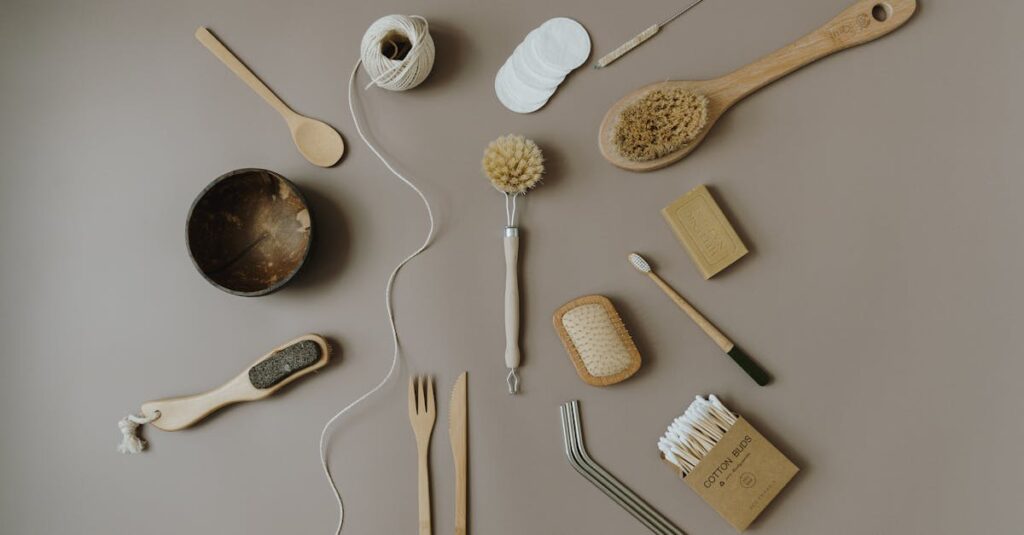
- Plastic straws → stainless steel or bamboo straws
- Paper towels → cloth napkins
- Disposable razors → safety razor with replaceable blades
- Plastic wrap → beeswax wraps or silicone covers
Rethink Food Waste
Food waste is a huge contributor to landfills. A simple way to reduce it is to plan meals in advance. Take stock of what’s in your fridge before shopping and try to use leftovers creatively. Composting is another powerful tool. Even if you live in an apartment, small countertop compost bins work well for fruit and vegetable scraps.
One hack that surprised many beginners is freezing extra produce or bread. That way, nothing goes to waste, and you can enjoy seasonal foods year-round. Another tip: buy in bulk when possible, using your own containers. You’ll cut down on packaging and often save money.
Shop Smart and Mindfully
Shopping habits play a big role in a zero waste lifestyle. Fast fashion, excessive packaging, and impulse buys all contribute to waste. Before buying something, ask yourself: Do I need this? Can it last a long time? Can I borrow or rent it instead? Mindful shopping reduces clutter at home and keeps unnecessary items out of landfills.
Second-hand shops, thrift stores, and online resale platforms are gold mines for zero waste living. You might find quality clothes, furniture, or kitchenware at a fraction of the cost. Plus, it feels great knowing an item is getting a second life.
DIY and Homemade Solutions
Making things yourself can drastically cut waste. Simple DIY projects include:
- Homemade cleaning products using vinegar, baking soda, and lemon
- Reusable produce bags from old t-shirts
- Homemade beauty products like sugar scrubs or shampoo bars
Not only does DIY reduce packaging, but it also helps you control what goes into your products. For many beginners, this approach makes zero waste tangible and fun.
Mind Your Habits
Zero waste isn’t just about products; it’s about habits. Ask yourself each day: Do I really need a disposable option? Can I repair instead of replacing? Can I share or borrow? Over time, these small questions turn into natural habits that shape your lifestyle.
Another useful habit is to carry a small kit: reusable utensils, straw, and cloth napkin. It sounds minor, but having it ready means you won’t rely on single-use items when you’re out.
Start Small, Celebrate Wins
The biggest mistake beginners make is trying to do everything at once. Start with one area: maybe kitchen waste, or shopping habits. Once that feels natural, tackle another. Celebrate each success, even if it’s just remembering your reusable coffee cup one day. These little wins add up and keep motivation high.
Conclusion
Living a zero waste lifestyle doesn’t have to be extreme or complicated. By making simple swaps, planning your meals, shopping mindfully, and cultivating new habits, you can drastically reduce your impact on the environment. It’s about progress, not perfection. Start with small, manageable steps and enjoy the process of discovering new ways to live sustainably. You’ll likely find that less waste means more simplicity, more savings, and even more creativity in your daily life.